 GrandpaCAD
Tools
- AI Modeling
- 3D Model Tools
- Calculators
- Browse all tools →
- Learn
- Pricing
Need a custom part?
Describe it in plain English and get a printable 3D model in seconds.
Most 3D printing thermoplastics are hygroscopic, meaning they absorb moisture from the air like a sponge. Even in a relatively dry room, filament can absorb enough water in a few days to ruin a print.
When wet filament hits the hot nozzle (usually >200°C), the trapped water instantly turns into steam. This steam expands, causing:
The Gold Standard.
Food dehydrators or purpose-built filament dryers circulate warm air to actively pull moisture out. They are safe, consistent, and can often hold multiple spools.
Risky & Not Recommended.
Most ovens fluctuate wildly in temperature (±10°C) and can't go low enough for PLA. It is very easy to melt your spool into a puddle of plastic, ruining both the filament and your oven.
The "MacGyver" Method.
You can place the spool on your printer's heated bed and cover it with a cardboard box (poke holes for ventilation). It works in a pinch but is inefficient and ties up your printer.
For Storage, Not Drying.
Silica gel beads are great for keeping dry filament dry, but they cannot effectively remove moisture from a spool that is already saturated. You need heat for that.
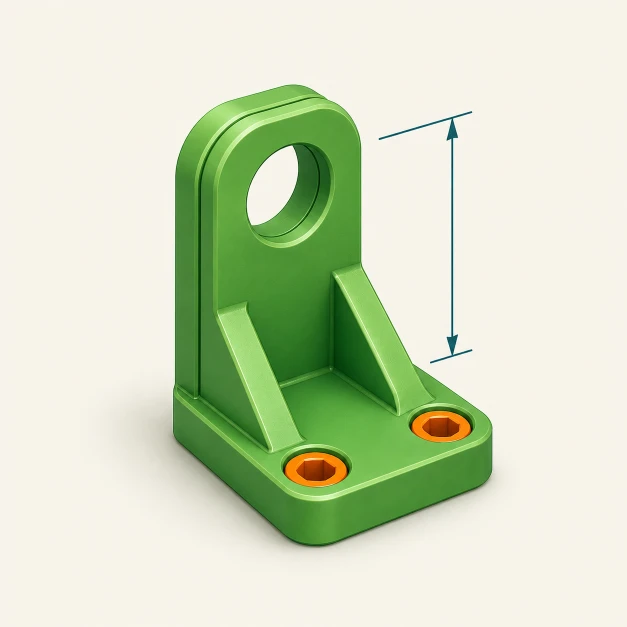
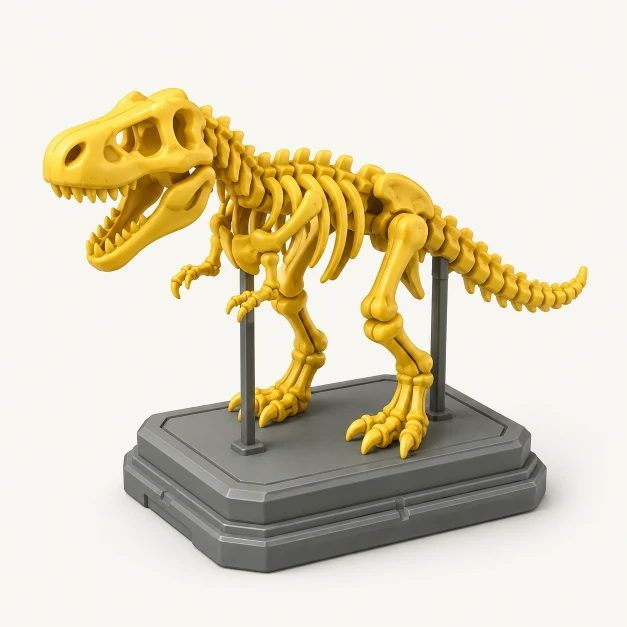
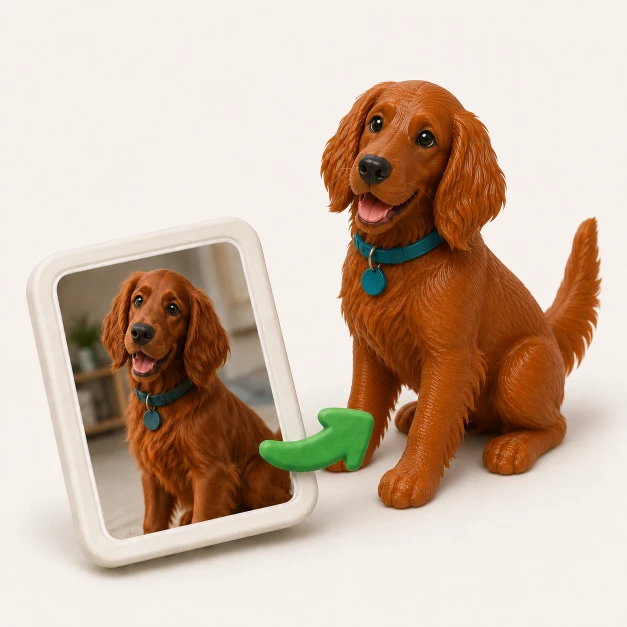
GrandpaCAD turns a text prompt into a ready-to-print 3D model. Functional parts, organic shapes, multi-color prints. No CAD skills needed.
"Phone stand with cable slot, 70mm wide, 15 degree angle"