 GrandpaCAD
Tools
- AI Modeling
- 3D Model Tools
- Calculators
- Browse all tools →
- Learn
- Pricing
Need a custom part?
Describe it in plain English and get a printable 3D model in seconds.
Flow Rate (or Extrusion Multiplier) scales how much plastic the printer extrudes relative to what the slicer calculated. A value of 100% means "extrude exactly as planned."
Even when your E-Steps are perfectly calibrated (mechanical extruder accuracy), different filaments need different flow rates. This is because filament diameter varies between manufacturers (1.75 mm nominal might be 1.72–1.78 mm in practice), and different materials have different melt characteristics.
Slice a 20–30 mm calibration cube with 1 perimeter (wall), 0% infill, and 0 top layers. Using a single wall makes measurement straightforward — the wall thickness should equal your slicer's line width.
Check your slicer for "Line Width" or "External Perimeter Width." Common values for a 0.4 mm nozzle are 0.40–0.45 mm. PrusaSlicer defaults to 0.45 mm, Cura defaults to 0.4 mm.
Use digital calipers to measure wall thickness near the top of the print (avoiding the first few layers where elephant's foot distorts dimensions). Measure all 4 sides and average the readings.
Enter the numbers above. Set the result as your Extrusion Multiplier in PrusaSlicer/OrcaSlicer, or Flow in Cura. Save it in your filament profile — each filament brand and material needs its own value.
Print a small flat object with 100% top infill. If the nozzle digs ridges into the top surface, flow is too high. If you see gaps between lines where the layer below shows through, flow is too low.
Most well-calibrated printers end up between 92–100% flow rate. Values far outside this range usually indicate a different problem (wrong filament diameter setting, clogged nozzle, or uncalibrated E-steps).
Flow rate varies between filament brands and even between colors from the same manufacturer. Measure once per spool type and save it in your slicer's filament profile for consistent results.
If you are printing parts that need to fit together (like a snap-fit lid or bearing housing), dialing in flow rate is essential. Even a 3% error compounds across multiple walls and ruins tolerances.
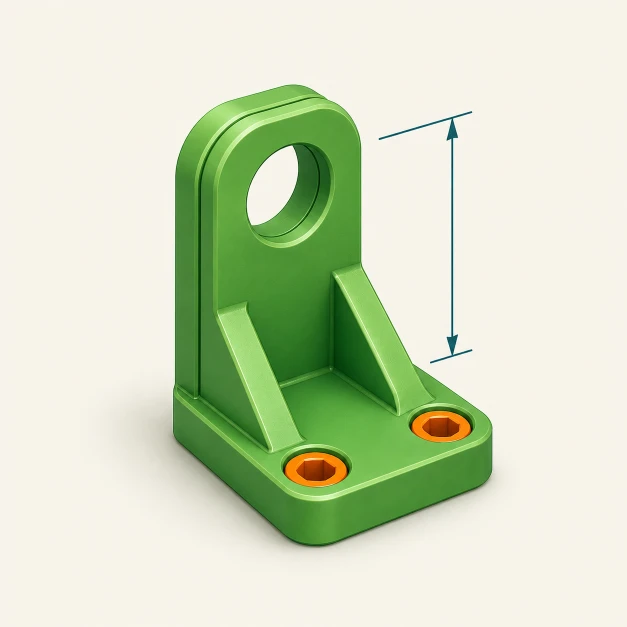
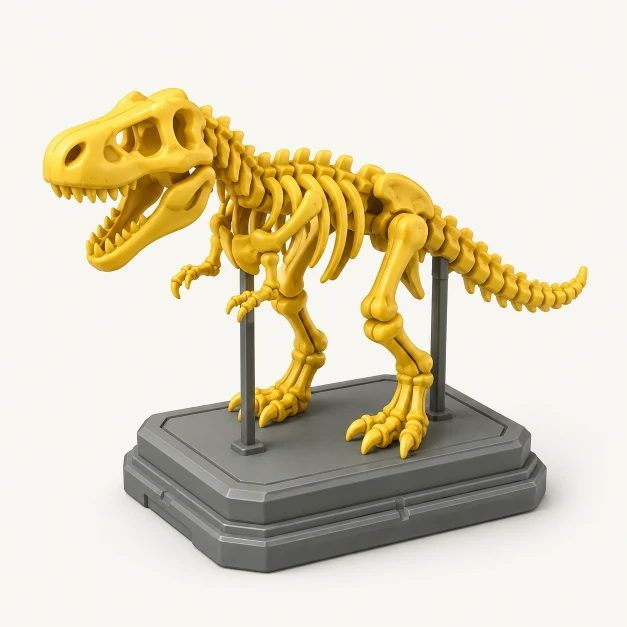
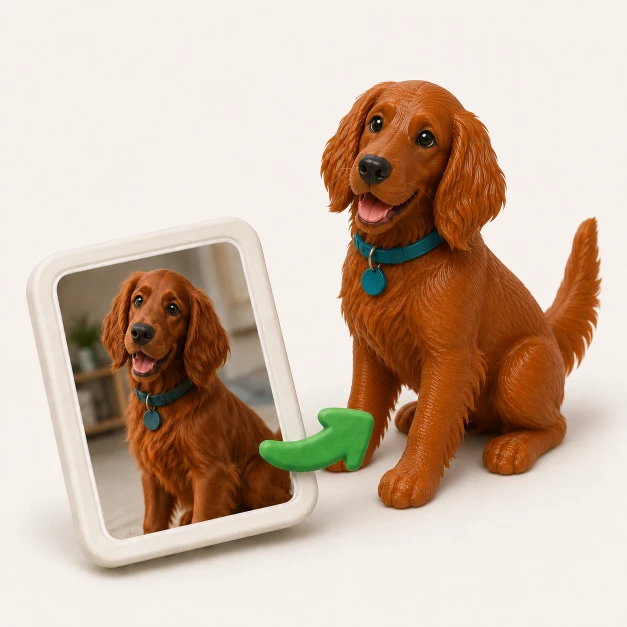
GrandpaCAD turns a text prompt into a ready-to-print 3D model. Functional parts, organic shapes, multi-color prints. No CAD skills needed.
"Phone stand with cable slot, 70mm wide, 15 degree angle"