Walls too thin to print
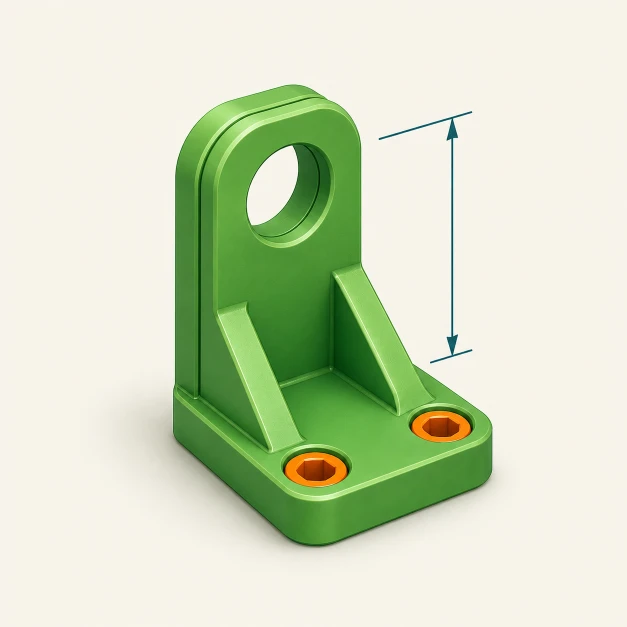
Anything under about two nozzle widths won't come out solid. Ask for a minimum wall thickness and the model respects it.
You have a printer. You don't have a modeling degree. Describe the model you want, mechanical or sculpted, in color, and get a print-ready file you can still adjust.
Start Free - No Credit Card Required
Thinking...
Four ways to get a model
Every route works inside the same chat, and you can mix them freely.
Open a public library model and tell the AI what to change.
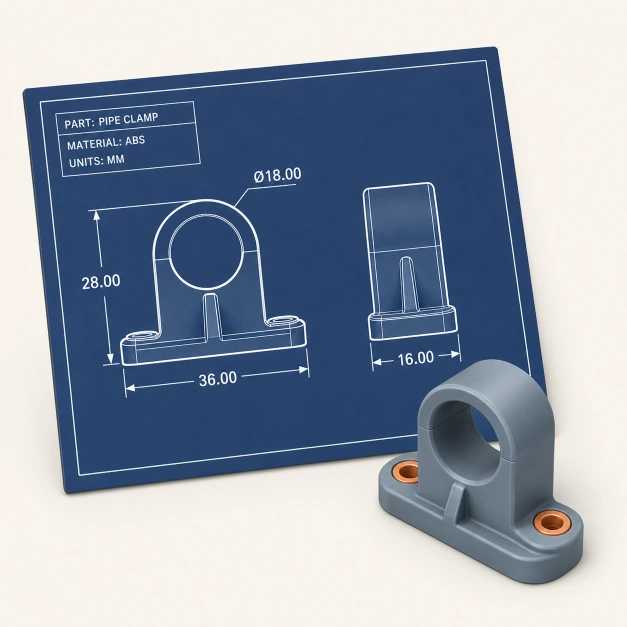
Type what you want in plain English, dimensions and all.
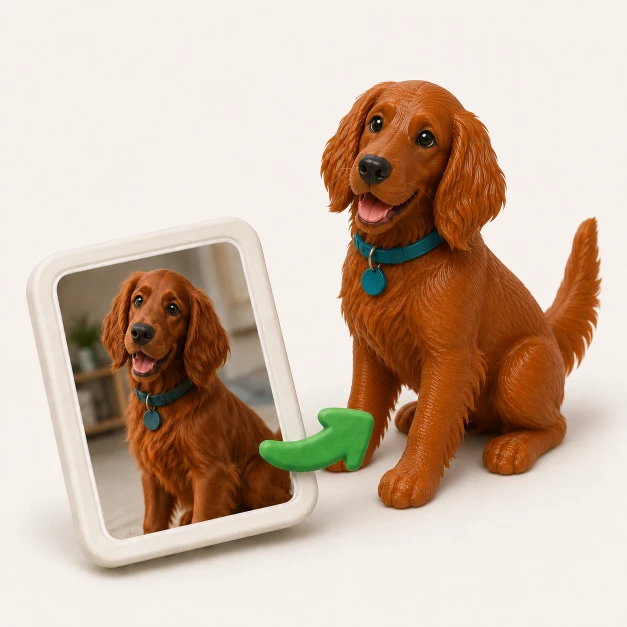
A sketch becomes a part, a photo a figurine. How it works.
Round edges, thicken walls, or split colors, just by asking.
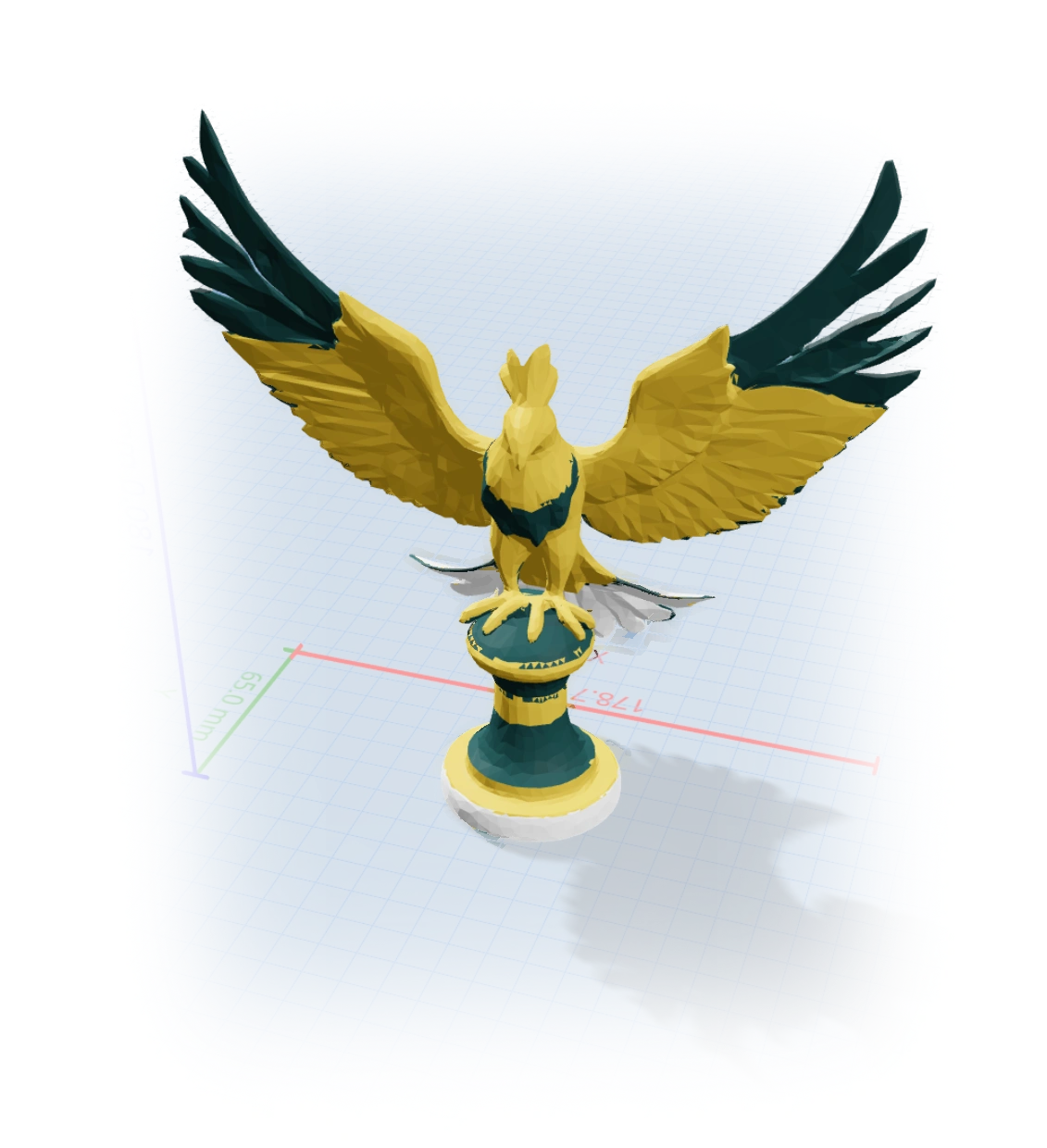
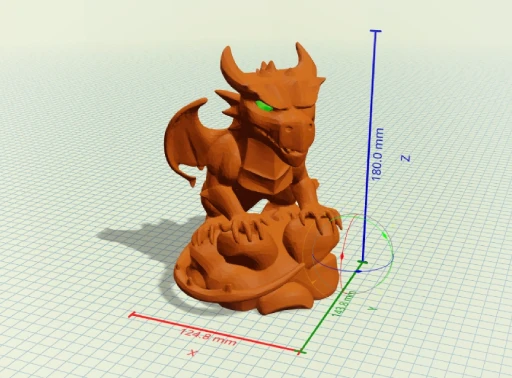
Sculpted and organic
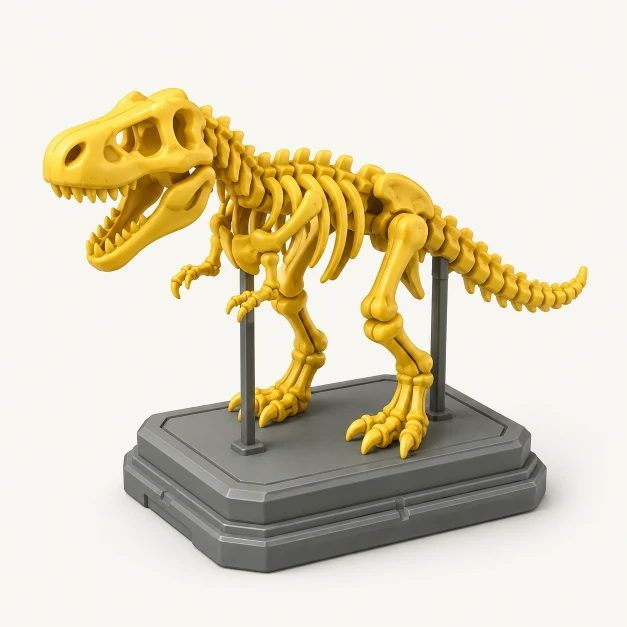
Describe a dragon, an ornament, or a planter and get a sculpted shape a dimension-driven tool could never make, already split into color regions for a multi-material printer.
One tool, the whole job
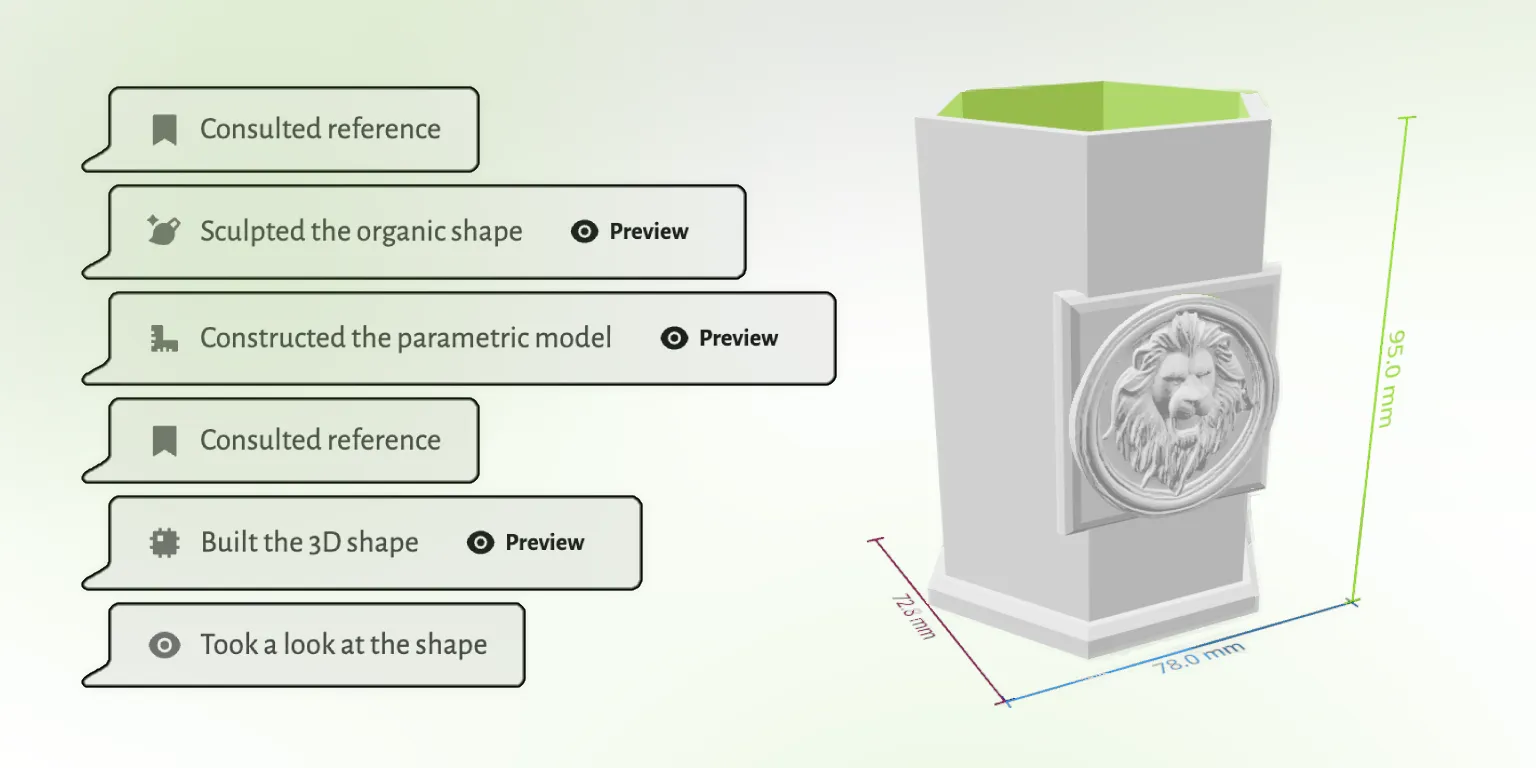
Beginners lose the most time bouncing between a modeler, a repair tool, and a slicer. GrandpaCAD generates the shape, repairs the mesh, and exports a slicer-ready file from one chat.
The three things that ruin a first print, and why you don't have to think about them.
Anything under about two nozzle widths won't come out solid. Ask for a minimum wall thickness and the model respects it.
Faces past roughly 45 degrees need support material. Describe the orientation you'll print in and the shape adapts.
FDM holes shrink. GrandpaCAD sizes them for the fit you ask for, so screws and inserts actually seat.
Speak the language
A printable booklet of the vocab makers use at the bench: clearance, fillet, chamfer, standoff, captive nut, lithophane, hot-end. Skim it once and your prompts land closer to the file you wanted on the first try.
 Open the cheatsheet
Every route works. This one asks the least of a beginner who just wants to print something.
 GrandpaCAD GrandpaCAD | Blender | Learning CAD | Model libraries | |
|---|---|---|---|---|
| Skill required | Type a sentence | Steep | Months | None |
| Make it yours | Any change, spoken | Manual editing | Manual editing | Take it as-is |
| Print-ready | Every time | Needs cleanup | If you learn how | Usually |
| Custom to your idea | Exactly | Yes, with skill | Yes, with skill | Only what exists |
Open any model in the public library and tell the AI what to change. Make it taller, add a hole, swap the color. No account needed to look around.
Loved by makers
Unedited feedback from the in-app rating prompt. We only show country to keep makers anonymous.
"generated a printable design on the first try!"
"Fast easy and good quality"
"It's working good. Grandpa!"
"yay so fun"
Pulled from real CSAT survey responses inside the GrandpaCAD app.
This tool was created for my grandfather who loves 3D printing but struggles with complex modeling software. He doesn't speak English, which makes most 3D design tools inaccessible to him.
Despite these challenges, he's passionate about creating 3D prints for our family. He uses his BambuLab A1 printer and now can easily create custom models by simply describing what he wants.
Read His Story
Every plan generates the same models at the same quality. The difference is how much you generate and how much control you want. Tweaking a finished model with the sliders never counts as a generation.
Just to get a feel for it. The output is the same quality as every paid plan.
For a single project. A fixed number of generations, no recurring charge.
For power users who want the full platform and more generations than they will realistically use.
There are four routes: remix an existing model online, describe what you want to an AI generator, start from a photo or sketch, or learn a modeling tool. For a beginner with a printer, describing the model is the fastest way to something custom and printable.
Judge a generator on three things: does the output slice without repair, can you set real dimensions, and can you change the model afterward. GrandpaCAD is built around all three, with watertight output, millimetre dimensions, and free slider tweaks.
No. Blender and CAD are worth learning if modeling itself is the hobby. If printing is the hobby, you can describe the model in plain English and adjust the result with sliders, then graduate to traditional tools later if you want.
Ask for the colors you want and the generated model comes pre-split into separate shells per filament. Load the 3MF in your slicer, assign filaments to shells, and print. It works with Bambu AMS, Prusa MMU, and similar setups.
3 generations are free with no credit card, at full output quality. Paid options start at a $12 one-off credit pack; a $24 monthly plan covers 70 generations.
3 free models, no credit card. Describe it and print it tonight.