 GrandpaCAD
Tools
- AI Modeling
- 3D Model Tools
- Calculators
- Browse all tools →
- Learn
- Pricing
Preview a sliced print layer by layer before you start it: walls, infill, supports, travel moves and retractions. Opens .gcode, PrusaSlicer .bgcode and Bambu Studio .gcode.3mf files right in your browser, nothing is uploaded.
No file at hand?
Drop a .gcode file on the box above, or open the sample print. The reader goes through the file line by line in the background, so even an 80 MB file for a big print doesn't freeze the page. When it finishes you get the whole print as the nozzle will lay it down, colored by feature: outer walls, inner walls, infill, top surfaces, bridges and supports.
Drag the layer slider to cut the print at any height, and tick Range to hide the layers below as well. Under it, the move slider and the play button replay the nozzle path inside the current layer, one move at a time. Drag to orbit, scroll to zoom, right-drag to pan.
Switch the colors to speed, volumetric flow, layer height or filament to turn the preview into a visualizer for the setting you are chasing, and untick features in the legend to see only what matters, for example only the support.
The slicer preview disappears once you export, but the G-code is what the printer actually runs. A minute in a G-code previewer catches the problems that otherwise show up three hours into a print:
PrusaSlicer saves binary G-code (.bgcode) for the MK4, MK3.9, XL, Core One and MINI by default. It's compressed and most G-code readers can't open it, but this one decodes it in your browser, checksums included, and shows the thumbnails and print estimates stored inside. PrusaSlicer's own G-code viewer does the same on the desktop, if you have it installed.
Bambu Studio and OrcaSlicer send prints as a .gcode.3mf: a zip with one G-code file and one preview image per plate. Get one with File, Export, Export plate sliced file, or download it from the printer's SD card. Drop it here and, if it holds several plates, pick the one you want from their thumbnails. The filament colors set in the slicer come through, so color by filament shows a multi-color print the way your AMS will print it.
The viewer reads files from PrusaSlicer, SuperSlicer, OrcaSlicer, Bambu Studio, Cura, Simplify3D and ideaMaker, and plain G-code from anything else. Slicer comments give it the layers, feature types, line widths, filament colors and print stats. Without them it still draws every move and splits layers wherever the nozzle starts extruding at a new height.
It follows Marlin, Klipper, RepRapFirmware and Prusa firmware G-code: straight moves and G2/G3 arcs (arc fitting is on by default in PrusaSlicer and Bambu Studio), absolute and relative extrusion, G92 resets, firmware retraction with G10/G11, inches with G20, and tool changes on multi-material printers.
Everything runs in your browser. The file is read from your disk by a background worker and drawn with WebGL; nothing is uploaded, stored or sent anywhere, so it's fine to open G-code for a part you're not allowed to share.
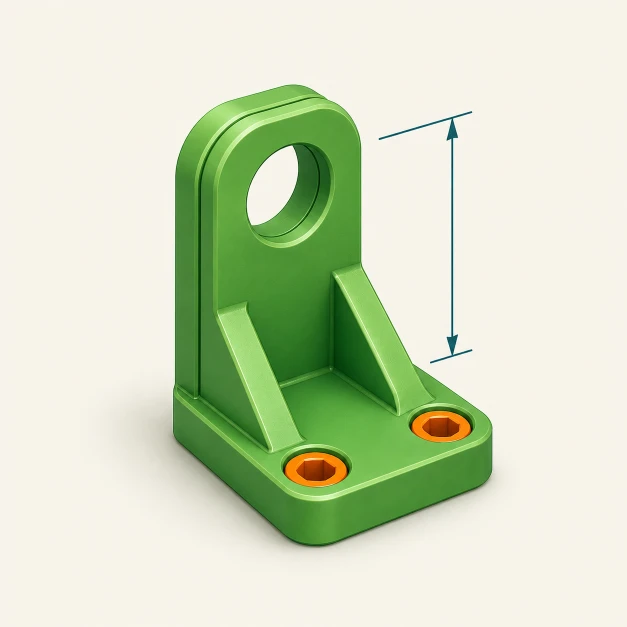
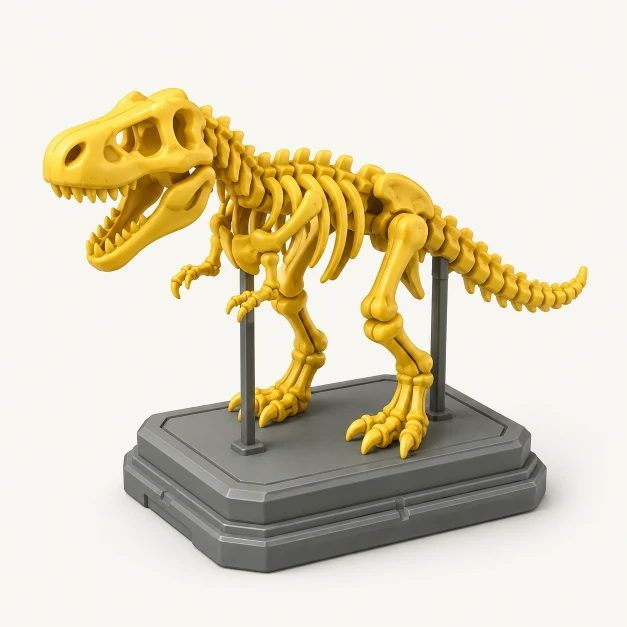
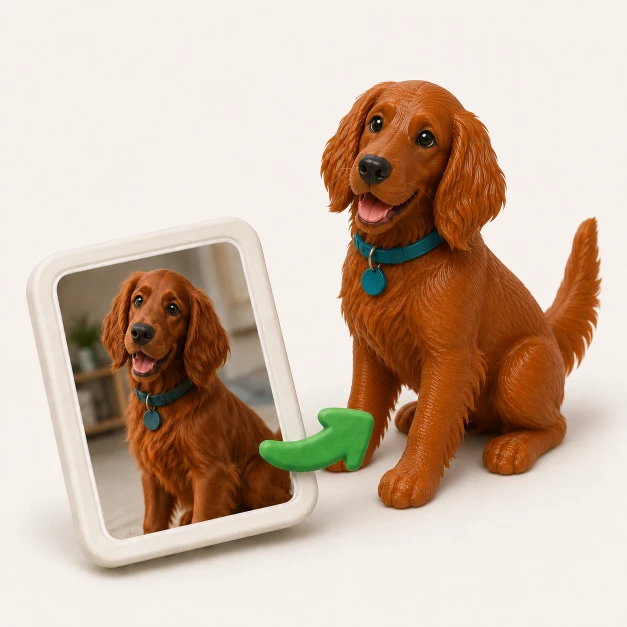
GrandpaCAD turns a text prompt into a ready-to-print 3D model. Functional parts, organic shapes, multi-color prints. No CAD skills needed.
"Phone stand with cable slot, 70mm wide, 15 degree angle"